A Technical Look at Encapsulated Armoring vs. Bolt-On Plates
Understanding the engineering trade-offs in modern armored vehicle protection systems
By Technical Analysis Team • Comprehensive Engineering Review • April 2026
In the high-stakes world of armored vehicles — whether for VIP transport, law enforcement, or military operations — the choice between encapsulated armoring and bolt-on plates represents one of the most critical engineering decisions. Encapsulated systems create a seamless ballistic “capsule” integrated into the vehicle’s structure, while bolt-on plates offer modular, external reinforcement. This 2000-word technical analysis examines the materials science, ballistic dynamics, structural implications, weight distribution, stealth factors, and long-term performance of both approaches. We’ll break down the physics, real-world testing data, and why one method is increasingly favored for civilian and covert applications.

What Are Bolt-On Armor Plates?
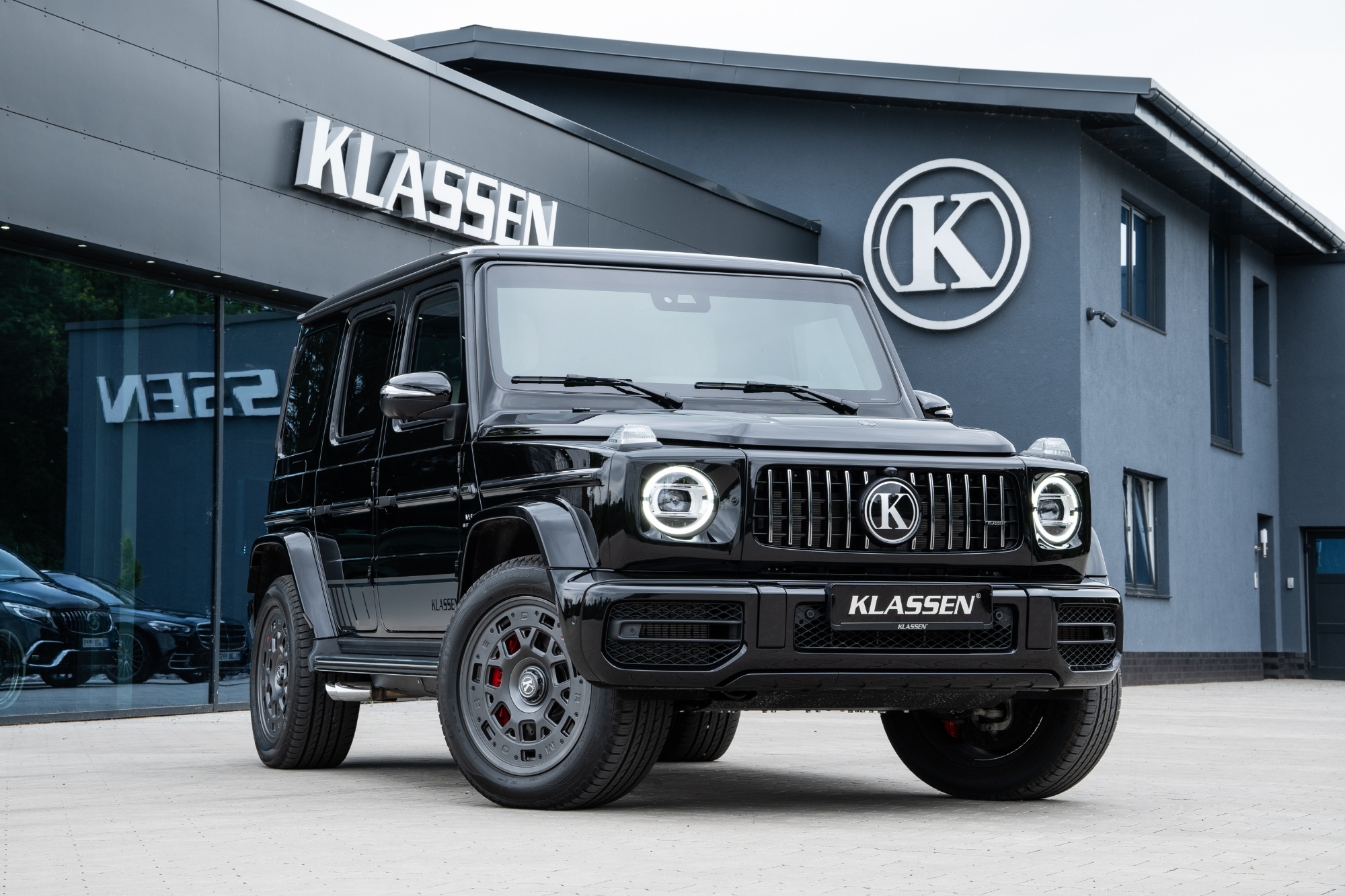
Bolt-on armor plates, also called add-on or external armor kits, consist of pre-cut ballistic panels — typically high-hardness armor (HHA) steel, ceramic composites, or aramid-reinforced laminates — mechanically fastened directly to a vehicle’s exterior body panels using high-tensile bolts, rivets, or specialized brackets. Installation usually occurs post-production: doors, fenders, roof, and undercarriage receive plates ranging from 6 mm to 25 mm thick depending on the threat level (e.g., EN1063 BR4–BR6 or STANAG 4569 Level 2–3).
From a materials standpoint, bolt-on solutions often employ rolled homogeneous armor (RHA) steel for its ductility and multi-hit capability or lightweight composites like ultra-high-molecular-weight polyethylene (UHMWPE) backed by spall liners. The plates are designed to absorb and dissipate kinetic energy through deformation or fragmentation of the projectile. However, the attachment points introduce stress concentrations: each bolt hole creates a potential penetration vector or spall ejection site if the surrounding material fatigues under repeated impacts or vibration.
Installation is relatively straightforward — often achievable in 1–2 weeks in a qualified shop — and allows field-level swaps. Military operators favor bolt-on kits for rapid upgrades on legacy platforms (e.g., Humvees or MRAPs during conflict surges). Yet this modularity comes at a cost: added external mass shifts the center of gravity outward, increasing rollover risk and suspension wear, while exposed edges invite corrosion, especially in humid or salty environments.
What Is Encapsulated Armoring?
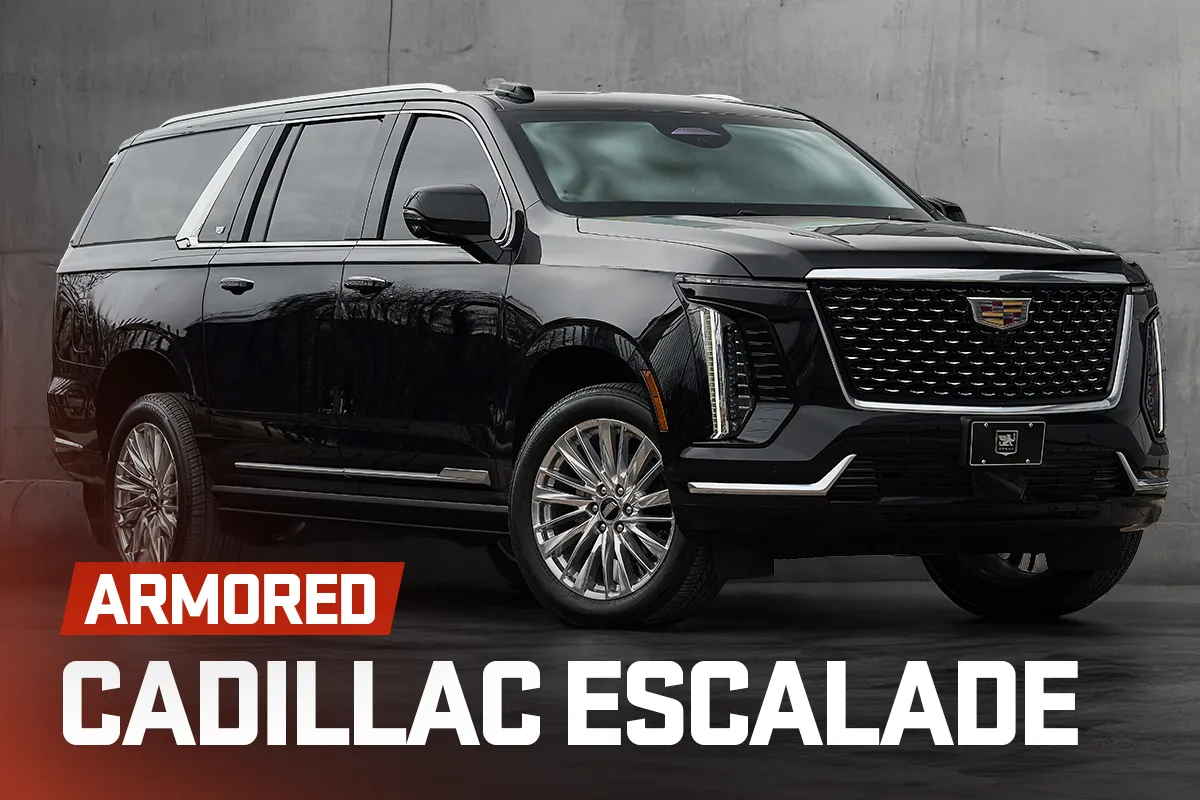
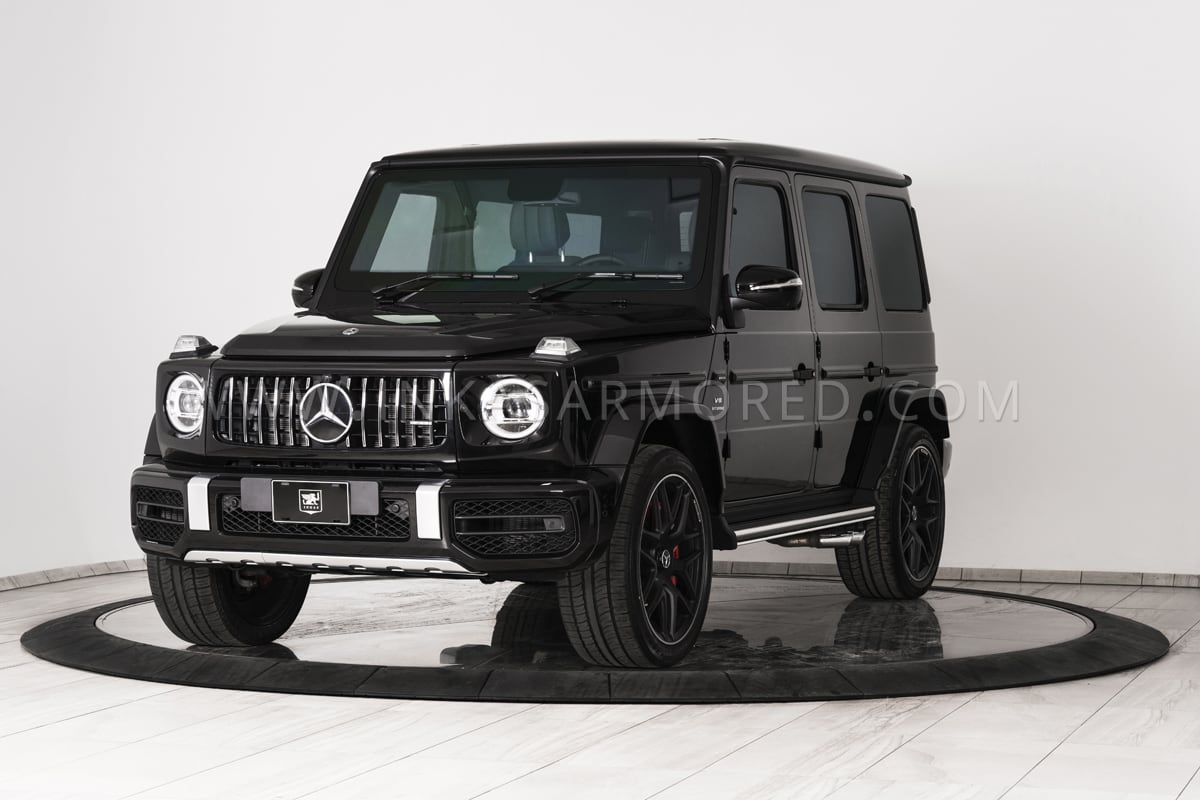
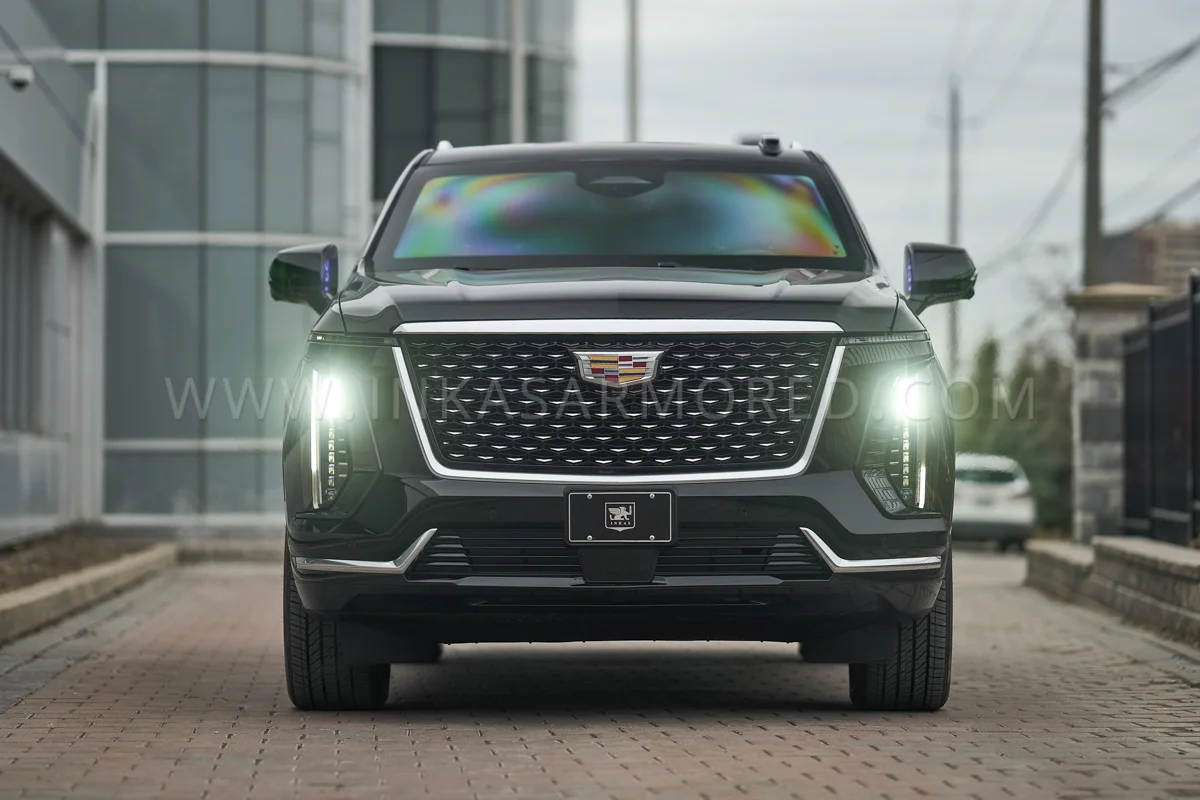
Encapsulated armoring, sometimes referred to as integrated or “OEM-style” ballistic encapsulation, builds protection inward. Ballistic materials are layered inside the vehicle’s original body cavity — between the factory sheet metal and interior trim — forming a complete 360° protective capsule around the passenger cell. Doors, pillars, roof, floor, and firewall are reinforced with overlapping panels of ballistic steel, aramid fabrics, or hybrid composites that are bonded, welded, or mechanically interlocked to the chassis structure itself.
The term “encapsulated” highlights the key engineering principle: armor materials are fully enclosed and sealed within the vehicle’s skin. This eliminates external seams, maintains factory aerodynamics, and distributes added mass closer to the vehicle’s original design envelope. Advanced implementations use multi-layer laminates (e.g., ceramic strike face + UHMWPE backing + spall liner) bonded with high-strength adhesives that maintain structural rigidity. Overlap zones at door pillars and roof rails are engineered with redundant coverage to defeat angled fire and prevent “joint failure.”

Modern encapsulated systems also incorporate run-flat tires, self-sealing fuel tanks coated in ballistic polymers, and reinforced suspension brackets installed at the factory or during a controlled disassembly. The result is a vehicle that looks and drives like its civilian counterpart while delivering certified protection (often EN1063 BR3–BR7).
Key Physics Insight: Encapsulation leverages the vehicle’s original monocoque or body-on-frame structure as part of the armor matrix. Impact energy is transferred through the entire chassis rather than localized on bolted plates, reducing localized deformation by up to 40% according to independent ballistic lab data.
Technical Comparison: Head-to-Head Analysis
The differences between encapsulated and bolt-on armoring become clear when evaluated across five core engineering metrics.
| Metric | Bolt-On Plates | Encapsulated Armoring |
|---|---|---|
| Ballistic Performance | Good multi-hit capability on plate surfaces; seams and bolt holes create vulnerabilities (spall risk +20–30% higher at joints) | Superior due to continuous overlap and load-sharing with chassis; reduced spall and joint failure |
| Weight Distribution & Dynamics | External mass raises center of gravity; increases fuel consumption 8–15%; handling degradation | Internal placement preserves original CG; only 3–7% fuel penalty; maintains OEM handling characteristics |
| Stealth & Aesthetics | Highly visible plating and fasteners; obvious “armored” profile | Covert — indistinguishable from stock vehicle; ideal for executive or diplomatic use |
| Installation & Maintenance | Fast (1–2 weeks); modular field repairs possible | Complex (4–8 weeks); requires full disassembly but lower long-term maintenance |
| Cost (per vehicle) | Lower initial ($80K–$150K) | Higher initial ($180K–$350K) but better resale and longevity |
Bolt-On Advantages
- Modular upgrades and rapid deployment
- Lower upfront cost for budget fleets
- Easier to inspect and replace damaged sections
- Proven in high-intensity combat zones
Bolt-On Disadvantages
- Compromised aerodynamics and increased drag
- Corrosion at bolt interfaces
- Reduced stealth and higher detectability
- Potential structural weakening from drilling
Encapsulated Advantages
- Seamless protection with no weak joints
- Optimal weight distribution and vehicle dynamics
- Full covert appearance and OEM aesthetics
- Superior long-term durability and lower lifecycle costs
- Better multi-angle and multi-hit performance
Encapsulated Disadvantages
- Higher initial engineering and labor costs
- More complex repair processes
- Requires specialized facilities
- Slight interior space trade-off in some models

Real-World Applications and Performance Data
In military contexts, bolt-on kits excel for rapid retrofits — think MRAP up-armoring programs where vehicles must return to theater within days. However, for civilian executive protection, law enforcement, and diplomatic fleets, encapsulated designs dominate. Independent testing by labs certified to EN1063 and VPAM standards consistently shows encapsulated capsules achieving 15–25% higher multi-hit ratings at equivalent weight because energy is dissipated across the entire reinforced structure rather than isolated plates.
Weight is another decisive factor: a typical mid-size SUV gains 800–1200 kg with bolt-on armor versus 600–900 kg with encapsulation — a difference that translates directly to braking distances, acceleration, and fuel economy. Encapsulated vehicles also retain original ground clearance and approach angles, crucial for off-road capability.
One standout example of cutting-edge encapsulated technology is the Nisaan Z9 Armored Vehicle. Built on the robust Nissan Z9 4x4 chassis, this pickup integrates comprehensive internal reinforcements to key structural components while preserving the factory exterior, powertrain, and off-road performance. Certified to EN1063 BR3–BR6 levels (customizable), it features ballistic protection for the fuel tank and radiator, military-grade run-flat tires, and reinforced door hinges that maintain rapid egress. The result is covert, high-mobility protection that feels indistinguishable from a standard vehicle. Learn more about this advanced encapsulated solution at https://www.cqxyj.com/product_details/Nisaan_Z9_Armored_Vehicle.html.
View full specifications and request a custom configuration
The Future: Hybrid Systems and Smart Materials
Emerging trends point toward hybrid solutions: encapsulated base protection with selective bolt-on modules for mission-specific threats. Smart materials — self-healing polymers, graphene-enhanced composites, and active blast mitigation — are being integrated into encapsulated designs to further reduce weight while increasing multi-threat capability (ballistic + IED + RPG). Regulatory standards such as the latest CEN/TS 15224 and NIJ updates continue to push manufacturers toward fully integrated capsules for civilian applications due to their superior safety margins and lower detectability.
Conclusion: Choosing the Right System for Your Mission
Encapsulated armoring delivers unmatched ballistic integrity, stealth, and long-term vehicle performance, making it the preferred choice for executive transport, VIP protection, and any operation where discretion and reliability are paramount. Bolt-on plates remain valuable for cost-sensitive or rapidly evolving tactical needs. Ultimately, the decision hinges on threat assessment, operational environment, and total cost of ownership. For operators seeking the highest level of covert, integrated protection without sacrificing mobility or aesthetics, encapsulated systems — exemplified by advanced platforms like the Nisaan Z9 — represent the engineering gold standard.